
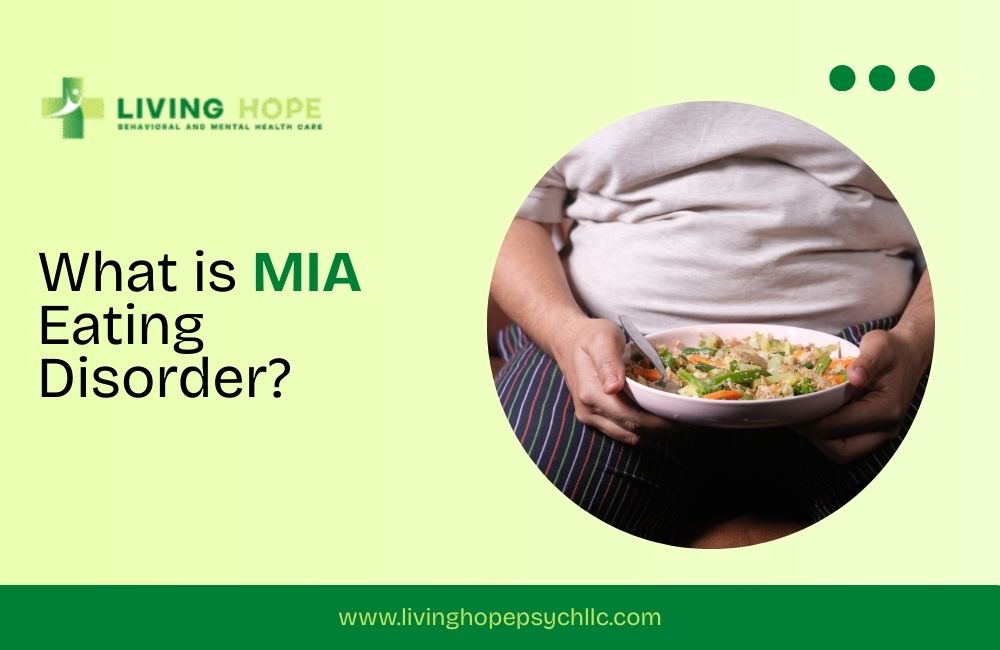
“Mia” is a slang or shorthand term commonly used in online communities to refer to bulimia nervosa, a serious and potentially life-threatening eating disorder. While the term may appear casual or harmless, it often minimizes the severity of the condition. Bulimia is a complex mental health disorder that affects a person’s emotions, behaviors, and physical well-being.
Bulimia nervosa is characterized by repeated cycles of binge eating followed by compensatory behaviors—known as purging—to prevent weight gain. These actions are typically driven by a deep fear of gaining weight, perfectionism, and a distorted or unhealthy body image.
Key Characteristics of Bulimia (Often Referred to as “Mia”)
1. Binge Eating Episodes
Individuals consume unusually large amounts of food within a short period, often feeling a complete loss of control. This may involve eating rapidly, eating past fullness, or secretly consuming large quantities of food.
2. Purging Behaviors
To try to “undo” the binge, a person may engage in harmful behaviors such as:
- Self-induced vomiting
- Excessive exercise
- Fasting or skipping meals
- Misusing laxatives, diuretics, or diet pills
These behaviors are dangerous and can cause severe medical complications.
3. Secrecy and Shame
People struggling with bulimia often hide their behaviors due to fear, embarrassment, or guilt. They may eat alone, disappear after meals, or hide food wrappers to conceal binge-purge episodes.
4. Emotional Turmoil
Feelings of shame, anxiety, guilt, and depression frequently accompany the binge-purge cycle. Many individuals describe feeling “trapped” in the behavior, even when they want to stop.
5. Distorted Body Image
A person with bulimia may believe they are overweight even when they are a healthy weight or underweight. They often have an intense preoccupation with body size, dieting, and appearance.
Physical and Emotional Health Risks of Bulimia
If left untreated, bulimia can lead to serious and long-lasting health problems, including:
- Severe dehydration
- Electrolyte imbalances (which can lead to irregular heartbeat or cardiac arrest)
- Tooth enamel erosion and dental decay due to stomach acid
- Swelling of salivary glands
- Digestive problems, such as acid reflux or chronic constipation
- Hormonal imbalances and irregular menstruation
- Increased anxiety, depression, and emotional instability
- Risk of gastrointestinal tears or internal injuries in severe cases
Bulimia is not just an emotional disorder—it affects the entire body.
Why Do People Use the Term “Mia”?
The terms “Mia” (bulimia) and “Ana” (anorexia) originated in certain online spaces, particularly pro-eating-disorder communities. These communities often:
- Normalize disordered eating
- Encourage extreme dieting
- Glamorize thinness
- Provide harmful tips for maintaining eating disorder behaviors
While not everyone who uses the term “Mia” is engaging in these communities, it’s important to understand its origins and use language that respects the seriousness of eating disorders.
Professionals recommend using the clinical term bulimia nervosa instead of slang that may minimize the condition.
Is Bulimia Treatable?
Yes—bulimia nervosa is treatable, and many people make full recoveries with proper care. Treatment often includes:
1. Psychotherapy
Cognitive Behavioral Therapy (CBT) is the most effective therapy for bulimia. It helps individuals:
- Break the binge-purge cycle
- Challenge negative thoughts about body image
- Develop healthy eating patterns
Other treatments include Dialectical Behavior Therapy (DBT) and family-based therapy (FBT), especially for adolescents.
2. Nutritional Counseling
Registered dietitians help individuals rebuild a balanced relationship with food and establish regular eating routines.
3. Medication (When Appropriate)
Certain medications, such as SSRIs, may reduce binge-purge behaviors and support emotional stabilization.
4. Medical Monitoring
Due to the physical risks, medical supervision ensures safety during the recovery process.
Recovery is absolutely possible with the right support.
If You or Someone You Know Is Struggling With Bulimia
You’re not alone—and help is available. Early intervention can prevent long-term health complications and improve recovery outcomes.
Our mental health professionals provide compassionate, evidence-based care for individuals dealing with bulimia, disordered eating, and body image concerns.
We offer therapy, personalized care plans, and ongoing support for healing and recovery.
Reach out today to learn more about our treatment options.
Your health, safety, and well-being matter.
FAQs:
Is “Mia” the same as bulimia nervosa?
Yes. “Mia” is simply shorthand for bulimia nervosa. However, the slang term often appears in spaces where disordered eating is normalized, which can be harmful.
What are the warning signs of bulimia?
Common signs include:
- Frequent trips to the bathroom after meals
- Binge eating episodes
- Vomiting or misuse of laxatives
- Excessive exercise
- Swollen cheeks or jawline (due to enlarged salivary glands)
- Tooth sensitivity or erosion
- Intense concern about weight or body shape
If you notice these symptoms, seeking help early is important.
Why do people use terms like “Mia” or “Ana”?
These terms originated in online communities—often pro-eating-disorder spaces—that normalize or glamorize unhealthy behaviors. These communities can be dangerous because they discourage treatment and encourage secrecy.
Is bulimia dangerous?
Yes. Bulimia can cause severe health issues such as electrolyte imbalances, heart problems, dehydration, gastrointestinal complications, hormonal issues, and mental health disorders like depression or anxiety.
Can someone recover from bulimia nervosa?
Absolutely. With therapy, nutritional support, medical monitoring, and sometimes medication, many individuals recover fully. Early intervention greatly improves outcomes.

If you are looking for the real deal without any glitches the original version is the way to go. The graphics are crisp and the gameplay is fair. Get winlislotsgamedownloadoriginal now
I love the slot selection and the bonuses for new members are generous. Such a fun way to spend the weekend at poneclubslot.